BRAND AUTOPSY · 01
Rhode Skin: The Brand That Made Desire a Daily Ritual
Léa Mondoloni · March 2026 · 5 min read ↓
THE OBSERVATION
Rhode Skin did not stumble into cultural relevance. It engineered it — with a precision that most brands with ten times the budget have spent years failing to replicate.
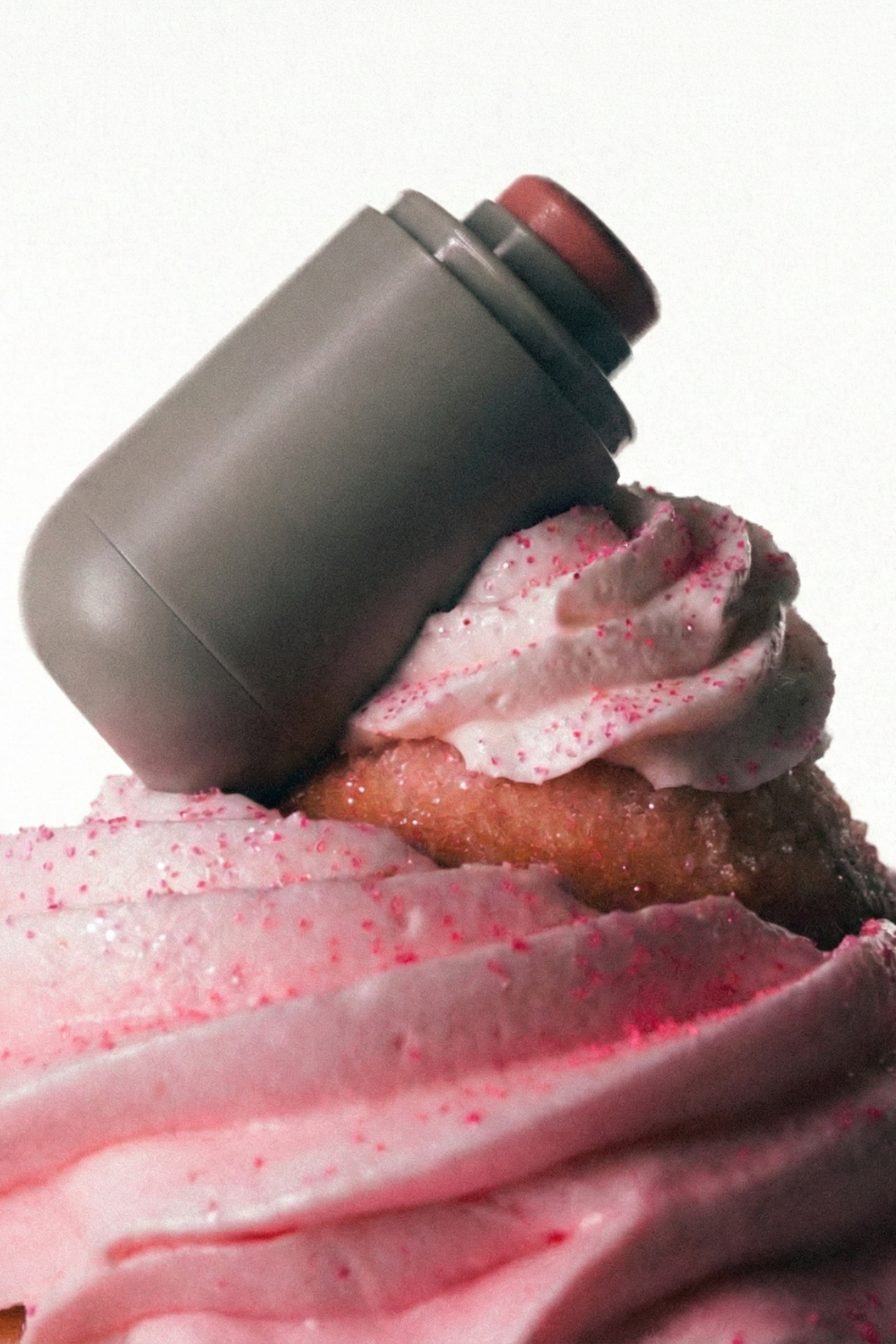
When Hailey Bieber launched Rhode, every element was considered. The name: short, clean, slightly ambiguous. The hero product: a Peptide Lip Treatment that solved a specific, visually demonstrable desire — lips that look glazed, hydrated, almost edible. The aesthetic: not bold, not clinical — glazed. A word that belongs to pastry and ceramics and skin at its most luminous, a word that makes you want to touch something before you understand why. The price: accessible enough to be an entry point, premium enough to feel like a choice. The founder: someone whose beauty felt personal rather than produced, achievable rather than alienating.
This was not alignment by accident. This was alignment by design.
The phone case that holds the lip product is widely described as a viral moment. It is more accurately described as a strategic thesis made physical. Rhode understood something fundamental: the most intimate object in a contemporary woman's life is her phone. She holds it hundreds of times a day. By attaching the product to that object, Rhode embedded itself into the most repeated gesture of modern life. That is not a clever accessory. That is sensory architecture.
THE DIAGNOSIS
What Rhode understood before almost anyone else is that desire in 2023 had become haptic, ritual, and intimate operating at the level of gesture rather than image.
The beauty industry had spent a decade perfecting the visual register: campaigns so saturated with luminosity that the product's physical reality could never compete with its representation. Rhode did something different. It made the product feel like something and then engineered every touchpoint to make that feeling repeatable.
The full sensory system Rhode constructed: the formula's specific slip — thick without heaviness, glossy without stickiness. The cylindrical tube, smooth to hold, the cap satisfying to close. The phone case, and the micro-ritual of application that becomes indistinguishable from checking a message. The glazed skin aesthetic: a visual identity so physically evocative it described a sensation before it described a look.
Rhode did not create a product people wanted to use. It created a product people wanted to do — a repeated daily act that built memory through accumulation, not impression. This is the mechanism that creates loyalty. Not awareness. Not aspiration. Embodied repetition, specific enough to be recognised, pleasurable enough to be sought.
Most brands still misunderstand desire at exactly this point. Desire is not created by showing people something they want. It is created by making them feel something they already recognise. Rhode made its audience feel seen — not as consumers of a look, but as participants in a sensibility. Then the 2025 acquisition by e.l.f. Beauty changed the stakes entirely. The machine built for intimacy now has to perform at scale. Those two requirements have never been easy to hold at the same time.
THE IMPLICATION
Rhode's risk ahead is not whether Hailey Bieber's cultural capital will hold. The deeper risk is structural: Rhode built a sensory moment of extraordinary precision, but a moment is not yet a world.
Le Labo has a ritual ecosystem. Byredo has a material language. These brands have moved from sensory moment to sensory architecture and that transition is what makes them durable rather than culturally contingent. Rhode, in expanding its product range and navigating its acquisition, is now managing the tension between the intimacy that made it exceptional and the scale that makes it valuable. Every new product that does not carry the same physical intelligence as the original risks widening the distance between what the brand promises and what it delivers.
Rhode proved it understood desire better than almost anyone in its category. The next chapter will show whether it understands something harder: that brands built on feeling only last as long as the feeling does and feelings require maintenance, not just momentum.
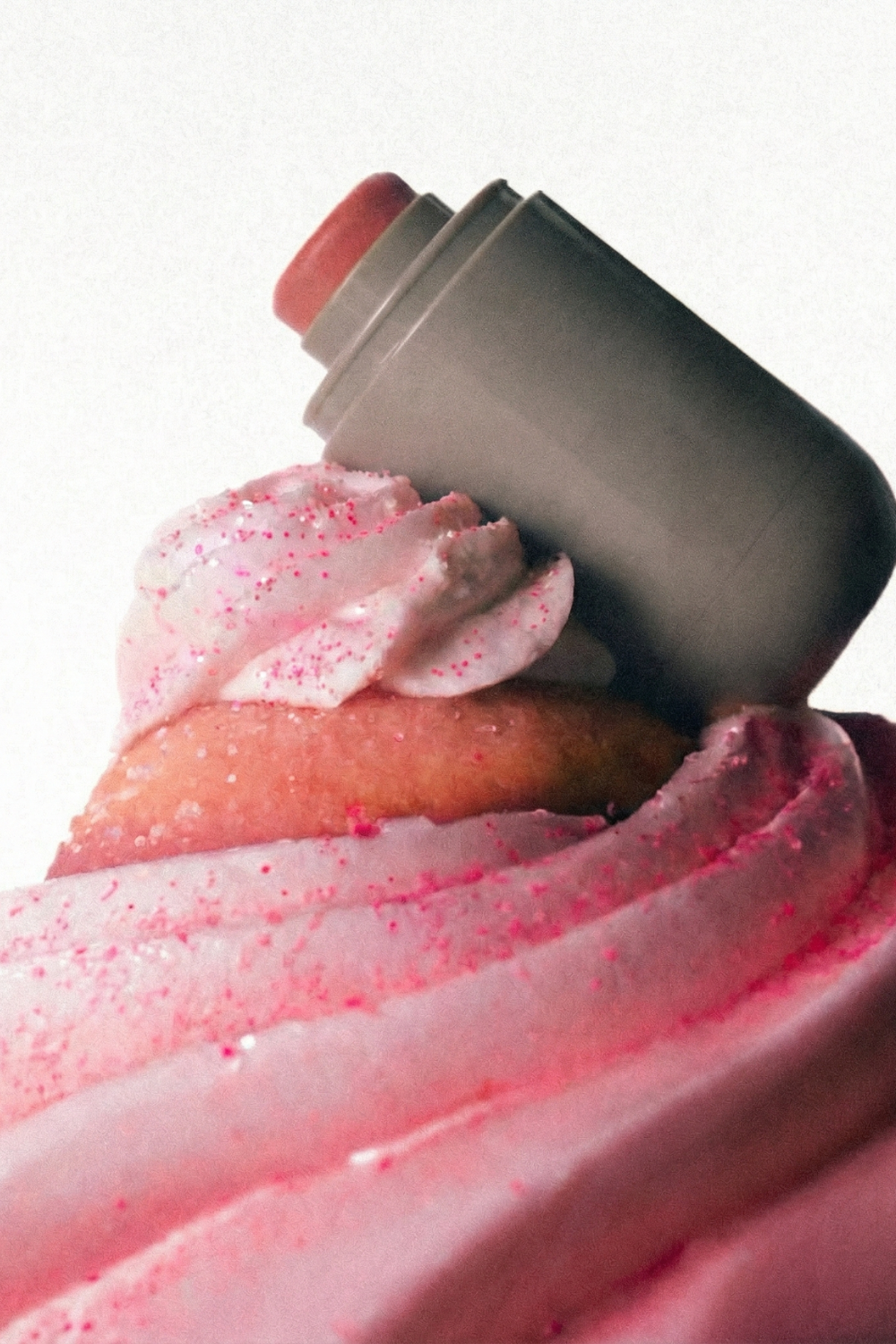
“Rhode Skin didn't create a product. It created a gesture.”
— Léa Mondoloni, Paris · 2026